

Five Killer Quora Answers To Handicapped Walker
페이지 정보
작성자 Florentina Lafl… 작성일 25-09-25 11:41 조회 3 댓글 0본문
The Essential Guide to Handicapped Walkers: Enhancing Mobility for Individuals with Disabilities
Walking aids play a crucial role in improving the quality of life for people with handicaps. Amongst these, handicapped walkers, also called walkers or rollators, are important tools that help users in maintaining mobility, self-reliance, and safety. This post intends to provide an in-depth introduction of handicapped walkers, discussing their types, advantages, and essential considerations for users when choosing a walker that best matches their requirements.
Tabulation
- What Is a Handicapped Walker?
- Types of Handicapped Walkers
- Requirement Walkers
- Two-Wheeled Walkers
- Four-Wheeled Walkers
- Features to Consider When Selecting a Walker
- Advantages of Using Handicapped Walkers
- FAQs
- Conclusion
What Is a Handicapped Walker?
A handicapped walker is a mobility aid developed to assist people who have trouble walking or keeping balance due to specials needs, injuries, or aging. It offers support, stability, and safety, helping users browse their environment with higher self-confidence and independence. Handicapped walkers can be found in different designs to fit different mobility obstacles, making them versatile tools for lots of people.
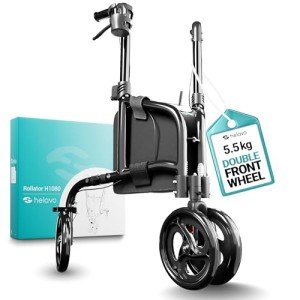
Kinds Of Handicapped Walkers
Comprehending the different types of walkers is vital for choosing the right one. Below is a summary of the primary types of handicapped walkers:
| Type | Description | Suitable For |
|---|---|---|
| Standard Walkers | Standard frame without any wheels, requiring the user to lift it to move. | People with stable balance. |
| Two-Wheeled Walkers | A lightweight walker equipped with 2 front wheels for easier motion. | Users requiring more Mobility Aid For Elderly support. |
| Four-Wheeled Walkers | A more advanced model with four wheels, handlebars, and often a seat. | Those requiring maximum support and rest alternatives. |
1. Requirement Walkers
Standard walkers, one of the most basic variation, are constructed as a tough frame. Users raise the walker and place it forward, enabling consistent movement. This type of walker is perfect for individuals with limited mobility however who maintain good balance.
2. Two-Wheeled Walkers
These walkers incorporate 2 front wheels, considerably boosting maneuverability compared to standard walkers. Users can push the walker rather of lifting it, making it much easier to navigate.
3. Four-Wheeled Walkers
Likewise referred to as rollators, four-wheeled walkers featured wheels on all four legs, making them easy to press. Many designs also include a comfortable seat and backrest, making it possible for users to take breaks during longer strolls or outings.
Features to Consider When Selecting a Walker
Before buying a handicapped walker, it's vital to assess specific features that might boost the user experience and safety. Here are some vital considerations:
| Feature | Description |
|---|---|
| Weight Capacity | Make sure the walker supports the user's weight. |
| Height Adjustability | Try to find adjustable handlebars for an appropriate fit. |
| Wheels Quality | Take a look at if the wheels are robust for numerous terrains. |
| Brake Walker System | Determine if it has a reliable braking mechanism for safety. |
| Storage Options | Consider if it has a basket or bag for individual items. |
Benefits of Using Handicapped Walkers
The advantages of using handicapped walkers extend beyond mobility, offering psychological and physical advantages:
- Increased Independence: Walkers make it possible for users to move without relying exceedingly on caretakers or member of the family.
- Improved Safety: With improved stability, walkers considerably reduce the danger of falls, contributing to a more secure living environment.
- Enhanced Confidence: Users frequently report feeling more secure and confident when utilizing a walker, encouraging them to engage more in social activities.
- Health Benefits: Regular use of a Ergonomic Walker can promote exercise, resulting in better cardiovascular health, improved muscle tone, and general wellness.
Frequently asked questions
1. How do I know which kind of walker is best for me?
Picking the best walker depends upon your physical capabilities and mobility needs. Consulting with a healthcare professional or physical therapist can provide tailored recommendations based on your specific health situation.
2. How should I preserve my walker?
Regularly inspect your walker for wear and tear, mostly concentrating on the wheels and brakes. Wipe down surfaces with a damp fabric to keep it tidy and store it in a dry location when not in usage.
3. Can I utilize a walker on irregular surfaces?
While some walkers are better matched for uneven surface areas than others, care is encouraged. It may be useful to choose a walker with larger wheels for better stability on such terrains.
4. Exist walkers developed specifically for outdoor usage?
Yes, many four-wheeled walkers are specifically designed for outdoor use, including larger wheels and more robust building and construction to manage various surfaces.
5. Do walkers can be found in various colors or designs?
Yes, numerous designs, colors, and styles are available to accommodate personal preferences while still fulfilling functional requirements.
Handicapped walkers are transformative aids that can substantially improve the lifestyle for people facing mobility difficulties. By comprehending the kinds of walkers, their features, and the benefits they use, users can make educated choices that line up with their individual mobility requirements. As technology and design develop, the future of handicapped walkers promises even higher assistance and comfort, motivating independence and an active way of life for all.
- 이전글 What's The Current Job Market For Doors Windows Near Me Professionals Like?
- 다음글 Amazing u31 Games at Leading Thailand Gambling Enterprise
댓글목록 0
등록된 댓글이 없습니다.